
Master Mitsubishi Dashboard Symbols and Their Meanings
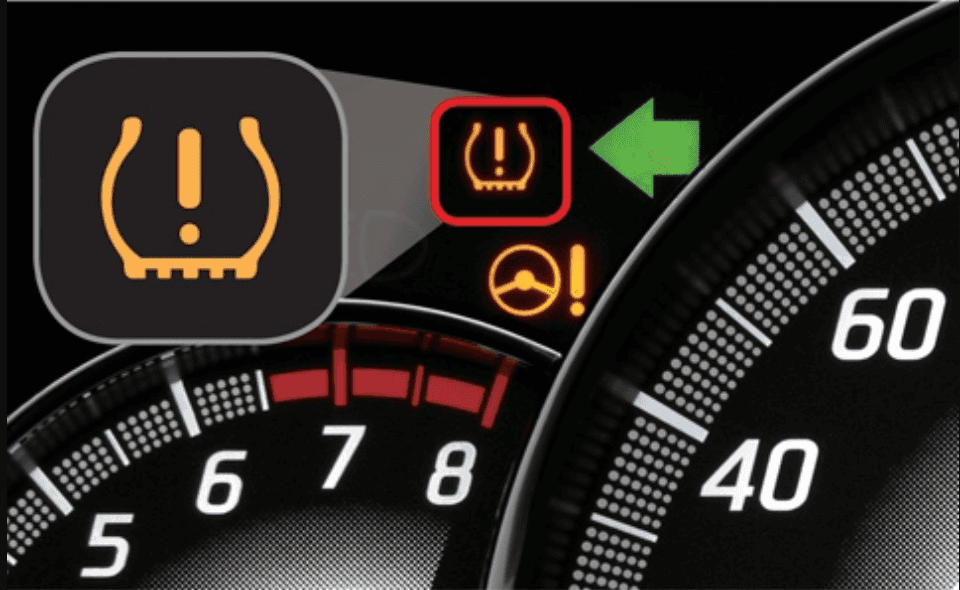
Photo Source/Copyright: Mitsubishi Motors
It’s more accurate to say the instrument cluster serves as a means of communication than as an alarm system, and a large part of the information it gives is standard. If you understand what the symbols on the Mitsubishi dashboard mean, you’ll be able to change uncertainty into a clear and definite decision about what to do next. The guide listed below adheres to the sequence that’s important when driving: it first mentions the color, then states the name of the light as given by Mitsubishi in its owner’s manual, and finally specifies the recommended action.
Start With the Color of the Light
Color provides the fastest way of carrying out triage on the panel, so if you want to get an understanding of the symbols on the Mitsubishi dashboard and what they mean, you should first look at the color rather than at the shape of the icon.
Although the shape restricts the range of possibilities, it’s the color that sets out the timeline. Moreover, Mitsubishi assigns a named designation to each warning light, which is why the entries listed below correspond to the term you would use when searching and the term printed in the owner’s manual.
| Color | What It Signals | What To Do |
|---|---|---|
| Red | A condition affecting safety or a major component | Stop safely as soon as you can |
| Amber | A system is degraded or needs attention | Arrange service without delay |
| Green, blue, or white | A feature is on, or a system is switched off | No action needed |
Red Warnings That Call for Stopping Safely
The red warning lights indicate that a situation that affects safety or a major component has occurred and are the only type for which you should take immediate action; it’s almost always advisable to find a safe place to stop rather than to continue toward a familiar exit since many of these conditions worsen quickly as soon as they appear.
- Brake warning light: low brake fluid or a brake-system fault; it also shows when the electric parking brake is applied
- Engine oil pressure warning light: oil pressure has dropped; shut the engine down rather than driving on to a shop
- High engine coolant temperature warning: the engine is overheating; let it cool fully before opening anything under the hood
- Charge warning light: the charging system is no longer maintaining the battery, and the vehicle may stall
- SRS airbag warning light: a fault in the airbag or seat belt pretensioner circuit; the restraints may not deploy
It can’t be restarted and then expected to have the light off because the basic problem remains.
Amber Warnings That Call for a Service Appointment
Amber warning lights don’t need to cause the driver to take action since they show that conditions are worsening in a system rather than removing it; the vehicle is usually still drivable, though a short delay is acceptable whereas an indefinite delay isn’t. In two of the five cases mentioned below, the meaning depends on whether the light is steady or flashing.
- Check engine light, or Malfunction Indicator Light: steady and blinking are different signals; a blinking light calls for reduced speed and prompt service
- Low tire pressure warning light: one or more tires are underinflated; inflate to the number on the driver’s door placard
- Anti-lock Braking System warning light: illuminated while driving means the anti-lock function is off, though normal braking remains
- Active Stability Control warning light: blinking means the system is actively working; steady means it needs to be checked
- Electric power steering warning light: steering assist may be reduced, and the wheel can feel noticeably heavier than usual
Since the scan tool can read the stored code relating to any of these cases, it isn’t the same as just knowing that a fault has occurred; it tells you which component caused it.
Indicators That Report Status Rather Than Trouble
It follows that not all lit indicators are warnings, since green, blue, and white lights mean a particular feature is working, whereas a single amber light shows the system has been switched off. Make sure you recognize this, so you don’t take a status light to be a fault.
- High beam indicator: confirms the high beams are on, and is separate from the fog light indicator
- Front fog light indicator: confirms the front fog lights are on, where equipped
- Brake Auto Hold indicator light, green: the system is holding the brakes at a stop, where equipped
- Active Stability Control OFF indicator light: stability control has been switched off; switch it back on unless that was deliberate
What to Do the Moment a Symbol Appears
When the symbols on the Mitsubishi dashboard are looked at and their meaning is understood in a fixed order, the situation becomes easier to manage. You must note the color, check whether the light is steady or flashing, and decide whether it came on when the vehicle started or if it switched on while you were already moving.
Each of these three points aids in identifying the cause. There are a few things you can check without having to use any tools: ensure that the fuel cap is secured, compare the tire pressures with those indicated on the placard on the driver’s door, and check the oil level with the vehicle on level ground. However, after that point you’re just guessing because most of the indicators show a stored code rather than a visible condition.
Frequently Asked Questions
Q: Why does the check engine light at times switch itself off?
A: When the situation that was causing the intermittent faults ceases to occur, the faults disappear, but the code stays in memory; a light that turns itself off doesn’t remove the problem, which is the reason why the Mitsubishi dashboard symbols and what they mean urge you to look at them once more.
Q: Can a tire that’s incorrectly inflated cause more than one indicator to switch on?
A: Yes. If the pressure in one tire decreases, this has an effect on the traction and rotational speed of that tire, and the stability and anti-lock systems also pick up on those same wheel-speed signals. A related indication may appear together with the tire pressure warning.
Q: Do plug-in hybrid models have indicators which the gasoline models don’t?
A: There’s a READY light on plug-in hybrid models which flashes when the system is running and then remains on steadily, with a charging indicator and a warning light for the drive battery’s temperature.
Get the Code Read
The first thing to do is to identify the light, as this shows how urgent the matter is; yet it can’t establish the cause since most of the warning signs point to a stored code rather than to a visible symptom. A diagnostic scan fills this gap and enables the technician to use the code to tell you precisely what needs to be done.
More From Vision Mitsubishi
2025 Mitsubishi Outlander Sport Review: Surprising Favorite
Photo Source/Copyright: Edmunds Mitsubishi’s smallest crossover has been on sale since the 2011 model year. That’s a long run. Most vehicles get a full redesign every six or seven years, but Mitsubishi has chosen to keep tweaking, re-trimming, and repricing the Outlander Sport instead. If you have looked at one recently, much of…
Why Buy the Basic ES Mitsubishi Outlander?
Photo Source/Copyright: Edmunds Walking onto a dealership lot expecting an entry-level trim to feel like a penalty box is common, but the Mitsubishi Outlander ES breaks that expectation entirely. Mitsubishi loaded the base variant with hardware that many competing brands reserve for higher price brackets, closing the gap between the base version and upper…
Choosing The Right Mitsubishi Outlander Gas Type
Photo Source/Copyright: Mitsubishi What is the ideal fuel to keep a Mitsubishi Outlander running at peak efficiency? The Mitsubishi Outlander runs on regular unleaded gasoline with a minimum octane rating of 87. That single answer covers every trim in the lineup. Still, it raises a few follow-up questions worth answering: what the numbers on…