
How Often Do You Need an Oil Change?
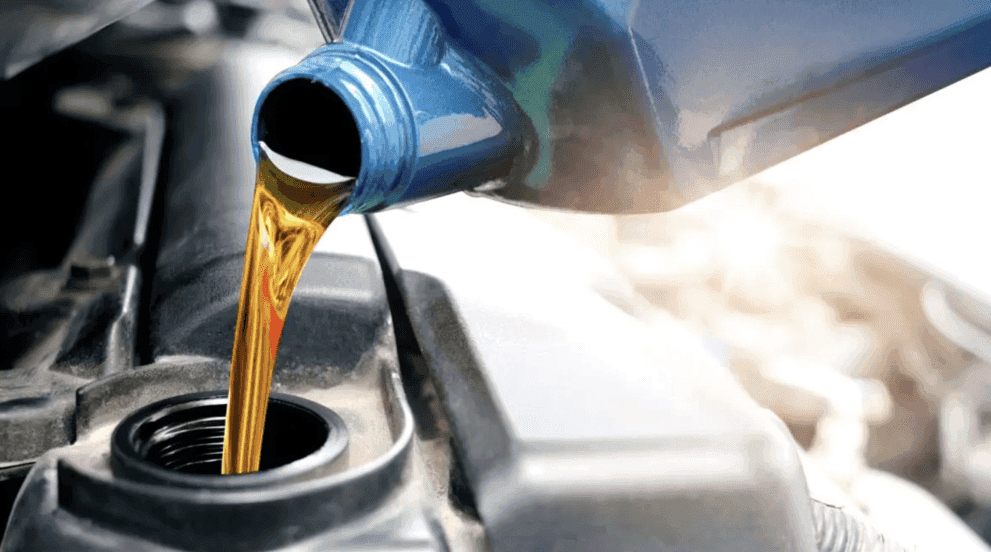
Photo Source/Copyright: Kelley Blue Book
Type “How often do you need an oil change?” into a search bar and you’ll get answers ranging from 3,000 to 15,000 miles. Everyone sounds confident, and most are right for somebody. The trick is matching the number to your engine, your oil, and how you actually drive. Not your neighbor: you.
The 3,000-Mile Rule Had a Good Run
Whoever handed you that rule wasn’t wrong at the time. Back when carbureted engines ran rich and conventional oil broke down fast, changing it every 3,000 miles was smart money. Then fuel injection got precise, tolerances tightened, and synthetic oils started shrugging off heat that used to cook the old stuff.
The rule stuck around anyway, mostly on windshield stickers. These days, automakers publish intervals well past double that figure, and some engines stretch to 10,000 miles or beyond with synthetic oil. Fewer trips to the shop, same protection. Hard to argue with that.
What Your Manual Is Really Telling You
The owner’s manual interval is the ultimate authority. Most modern engines land between 5,000 and 10,000 miles, alongside a calendar limit of six months to a year. Whichever comes first wins. That calendar limit trips people up; oil ages even when parked because moisture creeps in and additives degrade.
Full synthetic holds up to heat far better than conventional oil. Use a different oil than specified, though, and the manual’s promised interval is off the table. Many newer vehicles run maintenance reminders that factor in cold starts, idling, and trip lengths rather than just tracking mileage.
Your Driving Sets the Real Clock
Automakers split maintenance into normal and severe schedules. “Severe” sounds dramatic, but it usually describes a normal Tuesday:
- Steady highway miles: Engine runs hot enough to burn off moisture (Normal schedule).
- Short trips and stop-and-go: Engine never fully warms up, leaving moisture and unburned fuel in the oil (Severe schedule).
- Towing or extreme weather: Heavy heat and contamination load (Severe schedule).
Short trips are sneaky. If your car rarely reaches full operating temperature, shorter intervals aren’t a penalty; they’re cheap engine insurance.
Where Mitsubishi Fits In
Mitsubishi keeps things simple with a standard schedule, a severe-use schedule that cuts intervals in half, and an instrument display service flag.
Outlander PHEV owners get a unique wrinkle: the gas engine sits out many short drives, accumulating wear slowly, but the calendar clock keeps ticking. Stick to time-based changes and save your receipts to keep your 10-year/100,000-mile warranty intact.
Signs Your Engine Wants Fresh Oil
Cars drop hints before warning lights trigger:
- Dark, gritty oil on the dipstick
- Knocking or ticking noises from under-lubricated components
- Burnt-oil smell inside or outside the vehicle
- Dropping fuel economy as tired oil creates drag
- Oil pressure light (an immediate warning: pull over and shut down safely)
Quick FAQ
Q: Does oil go bad if I barely drive?
A: Yes. Moisture builds up over time. Stick to the calendar interval even with low mileage.
Q: Is changing oil early a waste?
A: Not a waste, just conservative. On short hops, it’s a smart call.
Q: Can I wait for the oil light?
A: No. The oil light indicates pressure loss, not a routine reminder.
Book Your Next Oil Change
How often do you need an oil change? Our service team can look up your exact specs in minutes. Whether you drive a Mitsubishi or another make, we’ll align your schedule with your real-world driving habits. Book an appointment or drop by our service lane today.
More From Vision Mitsubishi
2025 Mitsubishi Outlander Sport Review: Surprising Favorite
Photo Source/Copyright: Edmunds Mitsubishi’s smallest crossover has been on sale since the 2011 model year. That’s a long run. Most vehicles get a full redesign every six or seven years, but Mitsubishi has chosen to keep tweaking, re-trimming, and repricing the Outlander Sport instead. If you have looked at one recently, much of…
Why Buy the Basic ES Mitsubishi Outlander?
Photo Source/Copyright: Edmunds Walking onto a dealership lot expecting an entry-level trim to feel like a penalty box is common, but the Mitsubishi Outlander ES breaks that expectation entirely. Mitsubishi loaded the base variant with hardware that many competing brands reserve for higher price brackets, closing the gap between the base version and upper…
Master Mitsubishi Dashboard Symbols and Their Meanings
Photo Source/Copyright: Mitsubishi Motors It’s more accurate to say the instrument cluster serves as a means of communication than as an alarm system, and a large part of the information it gives is standard. If you understand what the symbols on the Mitsubishi dashboard mean, you’ll be able to change uncertainty into a clear…