
Mitsubishi Mirage: Small Car, Big City Dreams
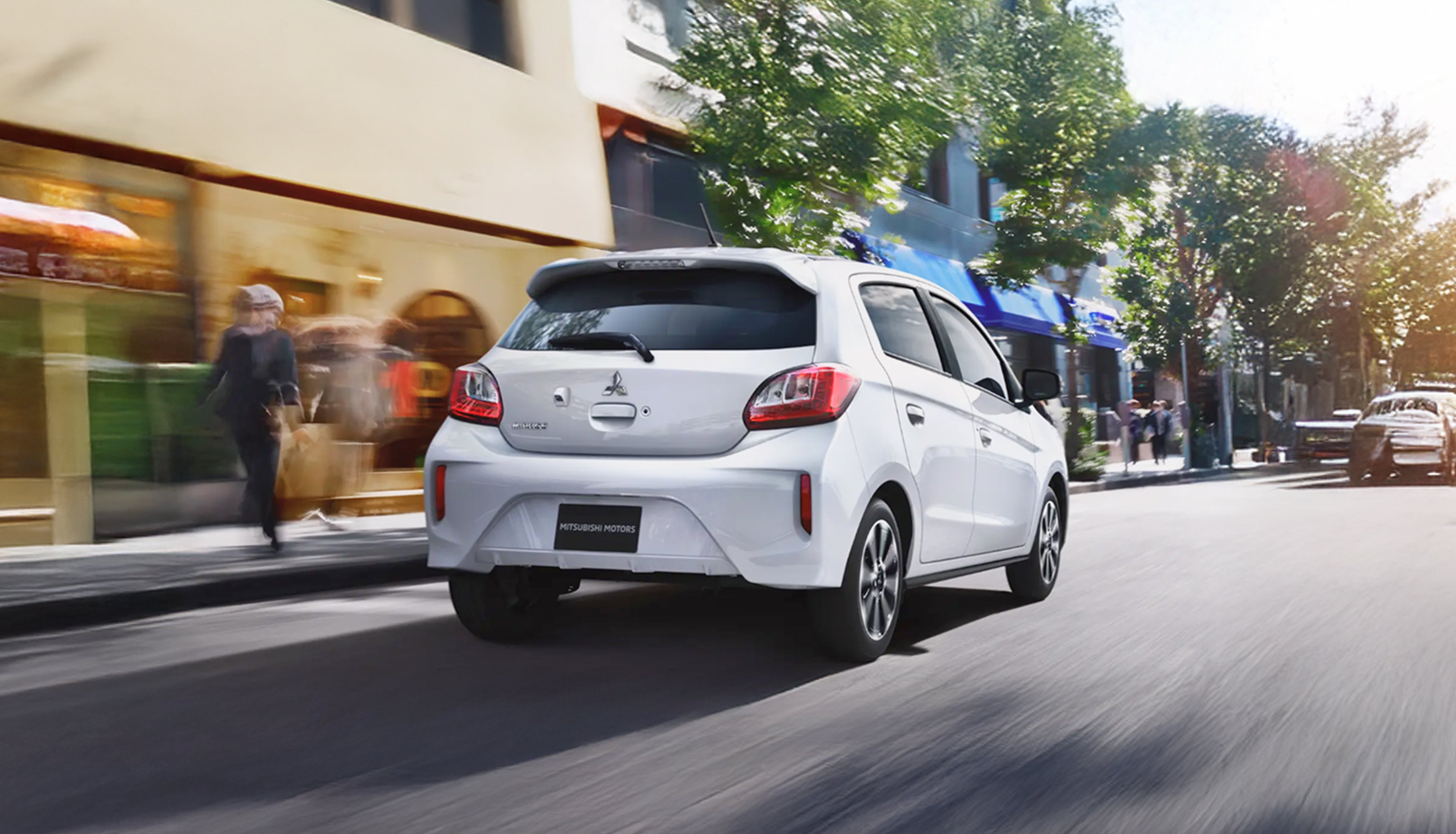
Photo Source/Copyright: Photo Source/Copyright: Mitsubishi
Have you ever wondered what it truly means to engineer an automotive underdog? The Mitsubishi Mirage has long been recognized by the automotive industry as one of the most affordable and fuel-efficient cars in the U.S. market, faithfully serving drivers looking for reliable, budget-friendly transportation for many years. That said, Mitsubishi has officially decided to discontinue the Mirage, bringing an end to its legendary production run. This blog post explores exactly why Mitsubishi discontinued the Mirage, reflects deeply on its fascinating engineering history, and discusses the new directions the brand is taking next.
The Reasoning Behind the Mirage’s Farewell
Changing Tides Toward Expansive SUVs
The decision to discontinue the Mitsubishi Mirage stems from a dramatic shift in consumer demand toward SUVs and crossovers. Many consumers now overwhelmingly prefer larger vehicles equipped with more cargo space, higher ride heights, and the versatility to handle both urban commutes and off-road adventures.
Automakers have increasingly focused their production capabilities on these higher-demand segments to maximize profits and meet customer desires. As a result, small sedans and hatchbacks like the Mitsubishi Mirage have seen steadily declining sales due to this market transformation.
Electric Dreams and Hybrid Heroes: Fuel Efficiency Gets an Upgrade
Historically, the Mitsubishi Mirage was universally known for its excellent fuel efficiency, often exceeding 40 miles per gallon (MPG) without the aid of heavy battery packs. Today, however, hybrid and electric vehicles (EVs) completely dominate the global conversation around fuel economy and environmental impact.
Modern buyers increasingly prioritize eco-friendly technology and electrification over traditional internal combustion engines. Newer hybrid and EV options offer better overall efficiency, advanced technology integration, and enticing tax incentives, making them far more attractive than traditional gas-powered compact cars.
The March of Advanced Technology
Contemporary vehicles now come densely packed with advanced driver-assistance systems and sophisticated infotainment features, radically changing driver expectations. Buyers universally expect standard features such as active lane-keeping assist, adaptive cruise control, high-definition touchscreen systems, and seamless smartphone connectivity.
Mitsubishi designed the Mirage to remain as affordable as possible, which naturally resulted in fewer high-tech features than many competitors. As global industry safety and technology standards rise, vehicles equipped with minimal features struggle to remain competitive in modern showrooms.
Tracing the Roots: The History of the Automotive Underdog
Born in the Oil Crisis Era
Mitsubishi first launched the Mirage in March 1978 as a small, fiercely efficient city car born out of necessity. Its original purpose was to provide incredibly affordable and immensely practical transportation for everyday drivers facing skyrocketing fuel costs during the global energy crisis. It quickly gained international recognition as a compact vehicle that masterfully balanced efficiency and cost, famously debuting the Super Shift transmission, which used a second idle transfer shaft lever to give the manual gearbox eight forward speeds effectively.
Generations of Grit: How the Mirage Endured
The Mirage evolved remarkably through several distinct generations over the decades, proving its phenomenal engineering versatility. Each generation skillfully adapted to changing automotive trends and consumer needs, from introducing potent turbocharged “Cyborg” engine variants in the 1980s to optimizing slippery aerodynamic drag coefficients in the 1990s. Despite these significant design updates and continuous improvements, the Mirage consistently maintained its true, undeniable identity as a simple, highly economical vehicle designed specifically for the masses.
Budget Hero Status: Opening Doors for Everyday Dreamers
Experts frequently celebrated the Mitsubishi Mirage as one of the lowest-priced new cars available anywhere in the U.S. market. This relentless dedication to affordability made it fiercely popular among first-time car buyers, college students, budget-conscious drivers, and people seeking dependable transportation without the crushing anxiety of high monthly payments. Its profound simplicity and extremely low ownership costs were its key selling points, illustrating that financial security and reliable mobility didn’t have to be mutually exclusive.
The Unpretentious Champion: Defying the Pump and Mastering the Metropolis
Fuel-Sipping Wizardry and Urban Practicality
One of the Mirage’s biggest advantages was its exceptional gas mileage, prioritizing efficiency over raw acceleration. Drivers deeply appreciated the magical ability to travel long distances with minimal fuel, averaging 36 miles per gallon in the city and 43 on the highway. This outstanding efficiency made the Mirage especially appealing for daily commuters who desperately needed financial relief at the fuel pump.
Moreover, the Mitsubishi Mirage’s charmingly small size made it the ideal weapon for navigating chaotic city driving. Its compact design allowed drivers to maneuver through traffic congestion and easily park in tight urban spaces that would trap larger SUVs. This sensational agility highlighted its profound usefulness for city residents and daily commuters who needed to maximize interior convenience, boasting 17 cubic feet of cargo capacity, without taking up excessive exterior space.
The Legacy That Lives On
The Mirage offered extraordinarily low maintenance costs, highly economical insurance premiums, and inexpensive purchase prices, making household financial planning a breeze. The ingenious Mitsubishi designers specifically built this car to be simple and dependable rather than showy or performance-oriented. Many drivers deeply valued this straightforward, no-frills approach to automotive design, knowing that fewer complex computer systems meant fewer expensive repair bills down the road.
This vehicle built a lasting reputation as the ultimate reliable partner; never flashy, always faithful. It excelled at basic transportation needs, offering fuel efficiency, affordability, and peace of mind that everyday drivers treasured. In a market rushing toward luxury and power, this humble car reminded everyone that pragmatic, budget-friendly motoring still holds real value and still generates genuine affection.
Gazing into Mitsubishi’s Future: Momentum 2030 and Thrilling Advances
Doubling Down on SUVs, Crossovers, and Electrifying Boosts
Mitsubishi is decisively shifting its corporate focus toward its most successful vehicle segments to ensure future growth. Popular, highly acclaimed models such as the Mitsubishi Outlander and the striking Eclipse Cross represent the brand’s future direction. These refined vehicles offer the exact spatial versatility and premium features that modern consumers assertively seek, prompting Mitsubishi to even premiere an all-new, rugged off-road version of the Outlander in late 2026.
At the same time, Mitsubishi has detailed plans to significantly expand its hybrid and electric vehicle lineup over the coming years as part of its ambitious “Momentum 2030” business plan. The manufacturer is responding urgently to the global push toward cleaner, more sustainable transportation by sharing enhanced platforms with its global partners. Electrification will undoubtedly play a defining role in Mitsubishi’s future product strategy, emphasized by the confirmation of an all-new battery-electric SUV debuting in the U.S. market in the summer of 2026.
A Friendly Goodbye and Bright Road Ahead
The Mitsubishi Mirage leaves behind a powerful story of simple joy, impressive thrift, and unwavering dependability. Its discontinuation mirrors the industry’s push toward SUVs and electrification, yet thousands of happy Mirage vehicles will keep zipping down roads for years to come. This plucky compact demonstrated that small cars can dream big and win hearts along the way. If you’re ready for your next adventure, Mitsubishi holds an exciting promise for drivers who want more than just a ride.
Welcome to the future, and thanks for the memories.
More From Vision Mitsubishi
2025 Mitsubishi Outlander Sport Review: Surprising Favorite
Photo Source/Copyright: Edmunds Mitsubishi’s smallest crossover has been on sale since the 2011 model year. That’s a long run. Most vehicles get a full redesign every six or seven years, but Mitsubishi has chosen to keep tweaking, re-trimming, and repricing the Outlander Sport instead. If you have looked at one recently, much of…
Why Buy the Basic ES Mitsubishi Outlander?
Photo Source/Copyright: Edmunds Walking onto a dealership lot expecting an entry-level trim to feel like a penalty box is common, but the Mitsubishi Outlander ES breaks that expectation entirely. Mitsubishi loaded the base variant with hardware that many competing brands reserve for higher price brackets, closing the gap between the base version and upper…
Master Mitsubishi Dashboard Symbols and Their Meanings
Photo Source/Copyright: Mitsubishi Motors It’s more accurate to say the instrument cluster serves as a means of communication than as an alarm system, and a large part of the information it gives is standard. If you understand what the symbols on the Mitsubishi dashboard mean, you’ll be able to change uncertainty into a clear…